.
What is Project Udaan?
Project Udaan | A Bridge School for Tomorrow Initiative aims to include formal and informal learning spaces for the children of migrant workers, including construction workers.Here is a design challenge for students of design and architecture, inviting them to develop a practical intervention for learning within an existing or underutilised space. The challenge is not to design a conventional school from scratch. Instead, participants are asked to look closely at an existing situation, understand its users and limitations, and explore how a relatively small intervention can create a meaningful, flexible and usable learning environment. The project aims to connect design education to a real site and a potential real-world implementation.
How can design create meaningful interventions within spaces that currently lack adequate infrastructure?

Why this Challenge?
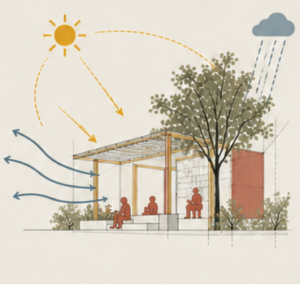
The challenge asks participants to treat learning as a spatial experience and explore how a limited intervention can do more. Solutions should consider:
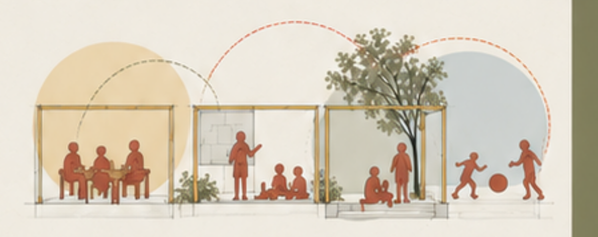
- Multiple users and activities across different times
- Adaptability as needs change
- Modularity for assembly, disassembly, reconfiguration and replication
- Indoor-outdoor relationships
- Locally available materials, skills and maintenance
- Community use and long-term usability
Design Programme
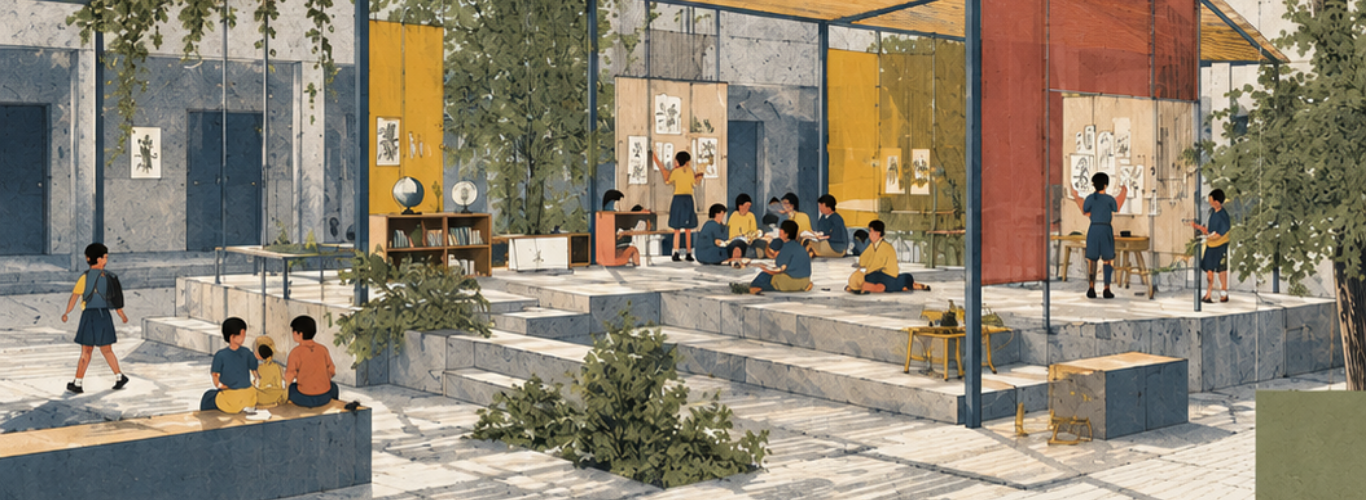
The intervention may support learning, reading, after-school programmes, workshops, skill development, making, play, discussion, display, informal gathering and community use, based on the needs identified through the site and user study.
The built-up area would be approximately 600 sq. ft., with awnings and other extensions on 3 sides, so more children can be accommodated at the same time. These can be retracted when not in use. The proposal should provide a functional learning space with safe access, basic storage, adequate daylight, ventilation and environmental comfort. The design may incorporate other uses, such as reading, making, play, outdoor learning, and community interaction, as appropriate to the site.
Know More About this
Timeline
1
Phase 1 – Design Development and Submission
(5 October – 16 November 2026)
2
Phase 2 – Evaluation and Jury
(16 November – 23 November 2026)
3
Phase 3 – Results
(1st Week of December 2026)
Evaluation Framework

Flexibility
Modularity

Adaptability

Practicality

Context Responsive

Site & Area Responsive

Feasible Execution
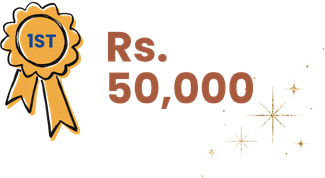
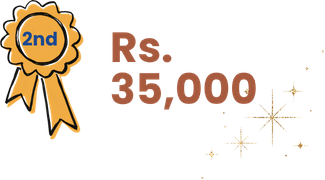
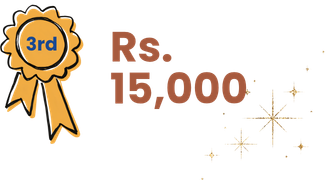
Prize Money