BODH – Building on Design Histories
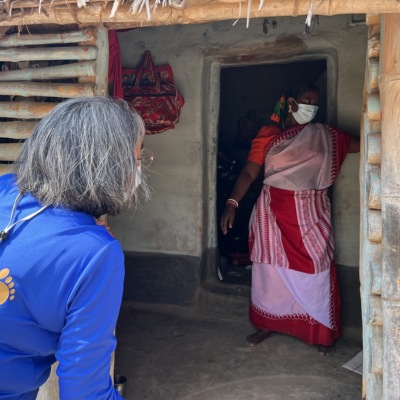
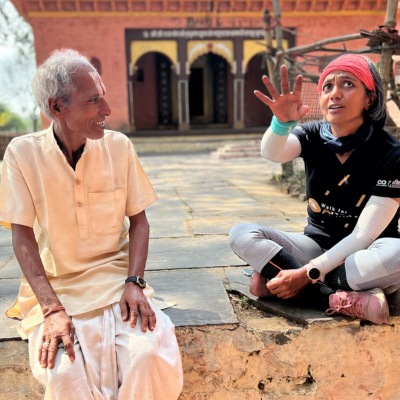
Embarking on her remarkable 1700km journey on foot from Kolkata to Delhi, followed by subsequent similar expeditions, Gita Balakrishnan immersed herself in the diverse landscapes and cultures that constitute India’s rich tapestry. This unique endeavour allowed her to intimately experience cities, towns, villages, highways, and hinterlands at a pedestrian pace, touching the parts of the country less traversed by. Along the way, Gita encountered homes, shops, public spaces, and institutions that form the fabric of everyday life for communities across India. Recognising the significance of these often-overlooked structures, BODH seeks to give precedence to the vernacular architecture and heritage embedded within them. In contemporary society, the predominant focus on monumental structures in architectural narratives overlooks the lived experiences and contributions of ordinary people, perpetuating social injustice and cultural erasure. While monuments commemorate historical events and the achievements of the elite, they often neglect the rich tapestry of vernacular architecture – the everyday structures that have profoundly influenced the lives of the majority.
As an answer to this, BODH, meaning insight and knowledge in various Indian languages, seeks to rectify the imbalance in architectural narratives, preserving the invaluable wisdom embedded in vernacular architecture. By celebrating the indigenous practices, we honor cultural diversity, promote inclusivity, and inspire sustainable design solutions rooted in traditional building methods. Our aim is to promote experiential learning, community engagement, and advocacy for the preservation and integration of traditional wisdom into contemporary architectural practices.
Odisha Walking Studio
Read The Press Release Here
Heritage, Memory & Urban Continuity Walk with INTACH:
Arcause Spotlight 3.0
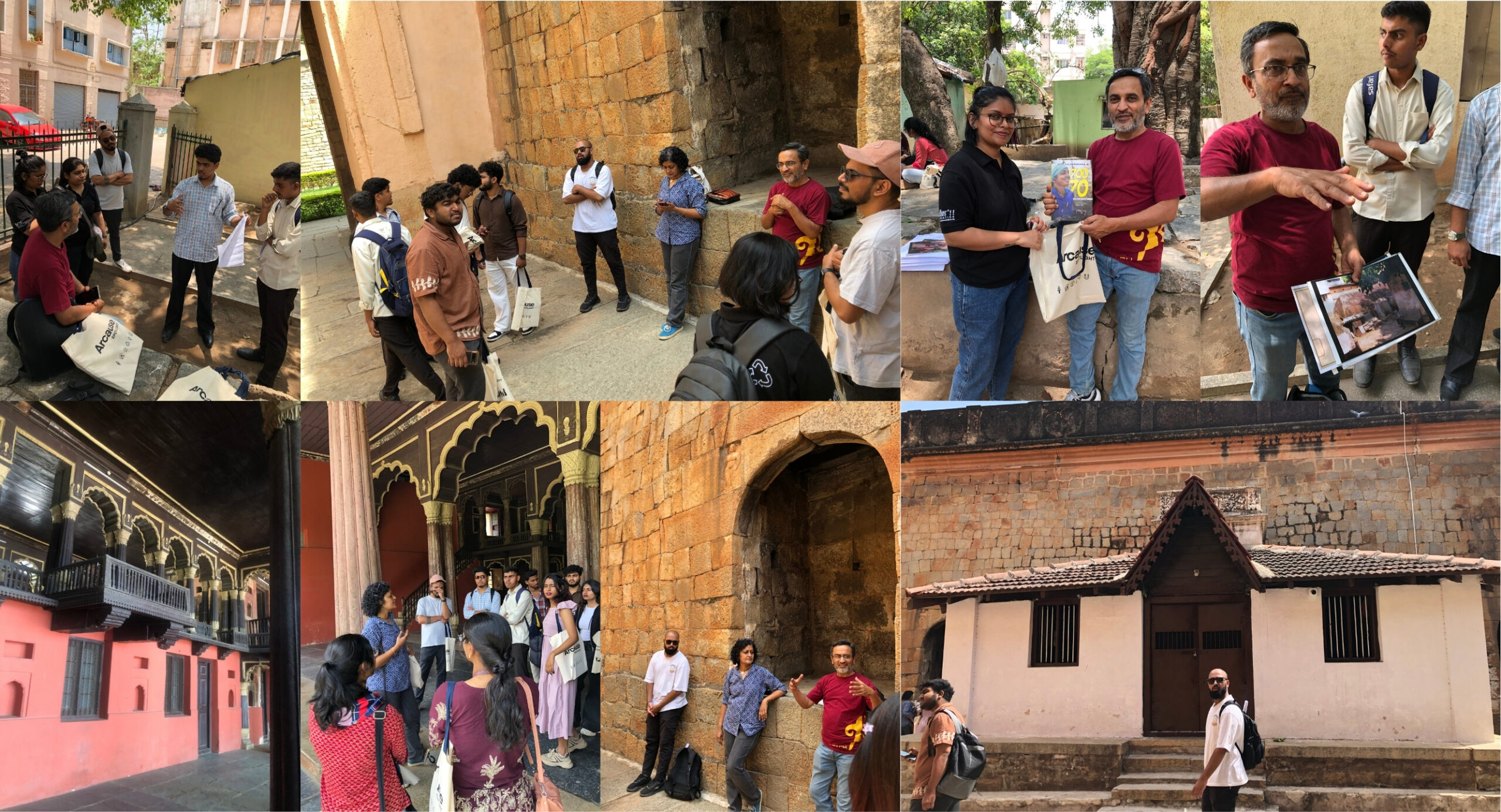
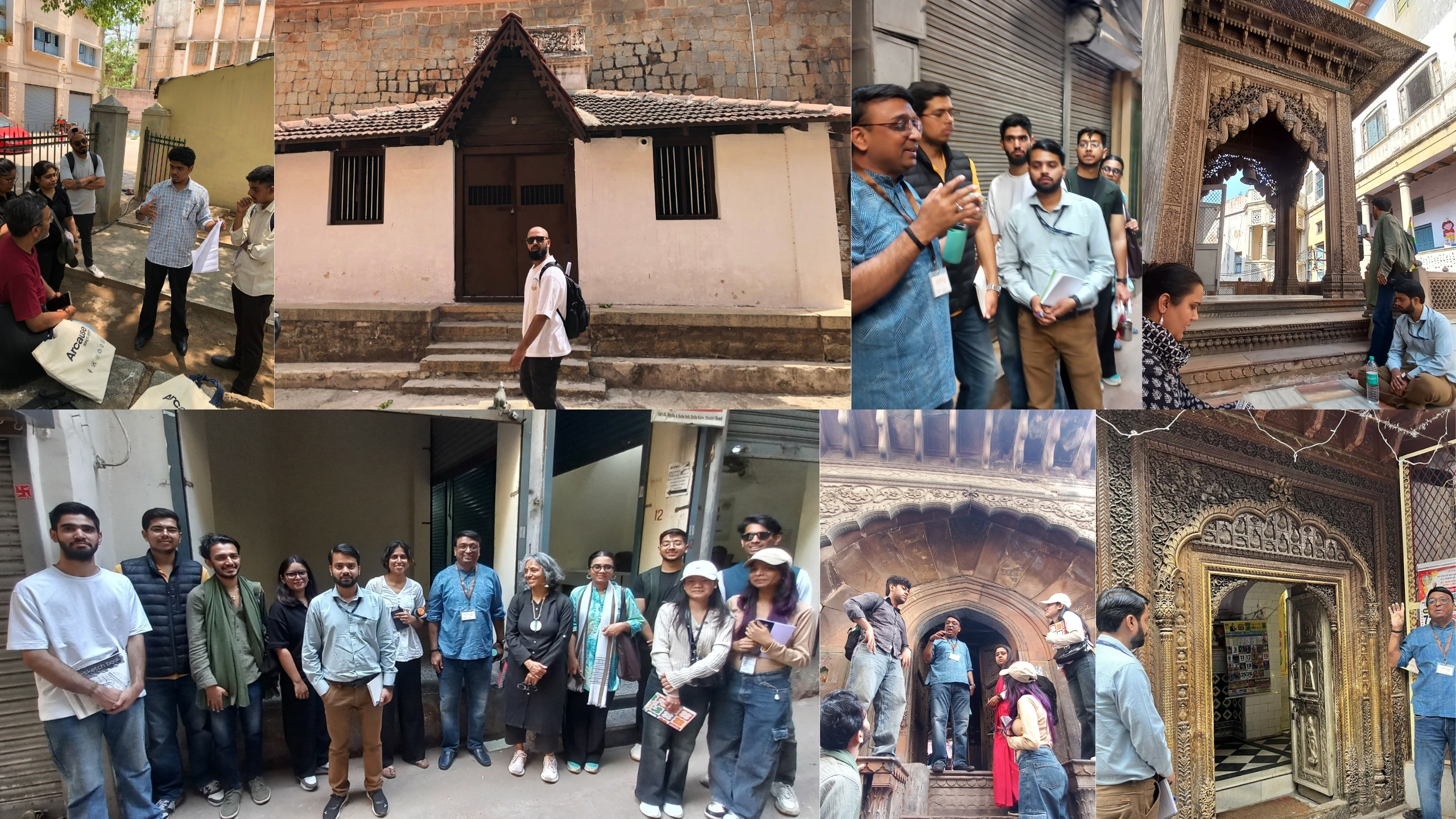
The walk through K R Market unpacked layers of Bengaluru’s history with colonial remnants, a largely abandoned 1980s structure, and a thriving informal market. This raised questions about living heritage, adaptive reuse, and the role of formal design. The session concluded at a historic armoury, where participants brainstormed ideas for its adaptive reuse, leaving with questions to carry into their future practice.
Monuments & Memory Walk:
Arcause Spotlight 1.0
Monuments & Memory Walk, curated by DRONAH and led by Ar. Abhishek Jain took participants through the lanes of Shahjahanabad. The walk highlighted evolving havelis, landmarks such as the Jain temple, and urban challenges like sanitation issues, reflecting how the historic city continues to adapt over time.
Materials of Meaning :
SNS 21.0
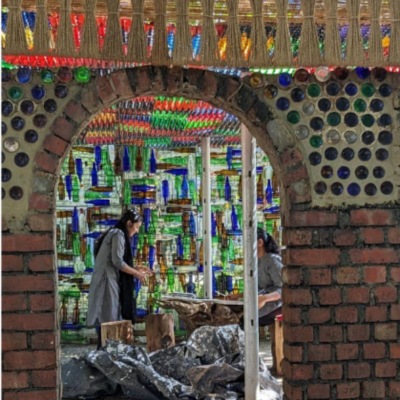
SNS 21.0, themed Materials of Meaning, was deeply aligned with the philosophy of BODH, particularly its emphasis on material honesty, cultural preservation, and ecological consciousness. Through their advocacy for earth and bamboo, Areen Attari and Neelam Manjunath demonstrated that materials are far more than sustainable alternatives; they are carriers of culture, craft traditions, ethics, and environmental responsibility. Their perspectives reflected the very insight and awareness that BODH seeks to cultivate within design practice.
The session brought together Areen Attari, Co-founder and Principal Architect of Put Your Hands Together – BioArchitects, and Neelam Manjunath, Founder of Manasram Architects, for a thought-provoking discussion on how social, cultural, and ecological systems add value and meaning to materials beyond function and form.
Known for his hands-on engagement with earth and bamboo, Areen Attari shared insights into context-driven design practices that blend artistry with architecture. Neelam Manjunath drew from her extensive work in sustainable architecture to highlight the potential of bamboo and other natural materials in creating environmentally responsible built environments. Together, they explored how materials communicate stories beyond their physical properties, expressing the cultural, environmental, and social contexts embedded within architecture.
Moving beyond conventional material discourse, the session encouraged a deeper understanding of how materials connect people, places, and ecosystems. Through grounded, practice-based insights, the speakers sparked thoughtful dialogue on bio-architecture, contextual design, and material responsibility.
The discussion also highlighted how the distinct voices of communities, ecosystems, and local knowledge systems contribute to a shared future. In doing so, it framed diversity, balance, and collaboration as essential responsibilities for designers and architects, reinforcing the role of design as a catalyst for meaningful social and ecological change.
Vault Building Workshop: Vanamu
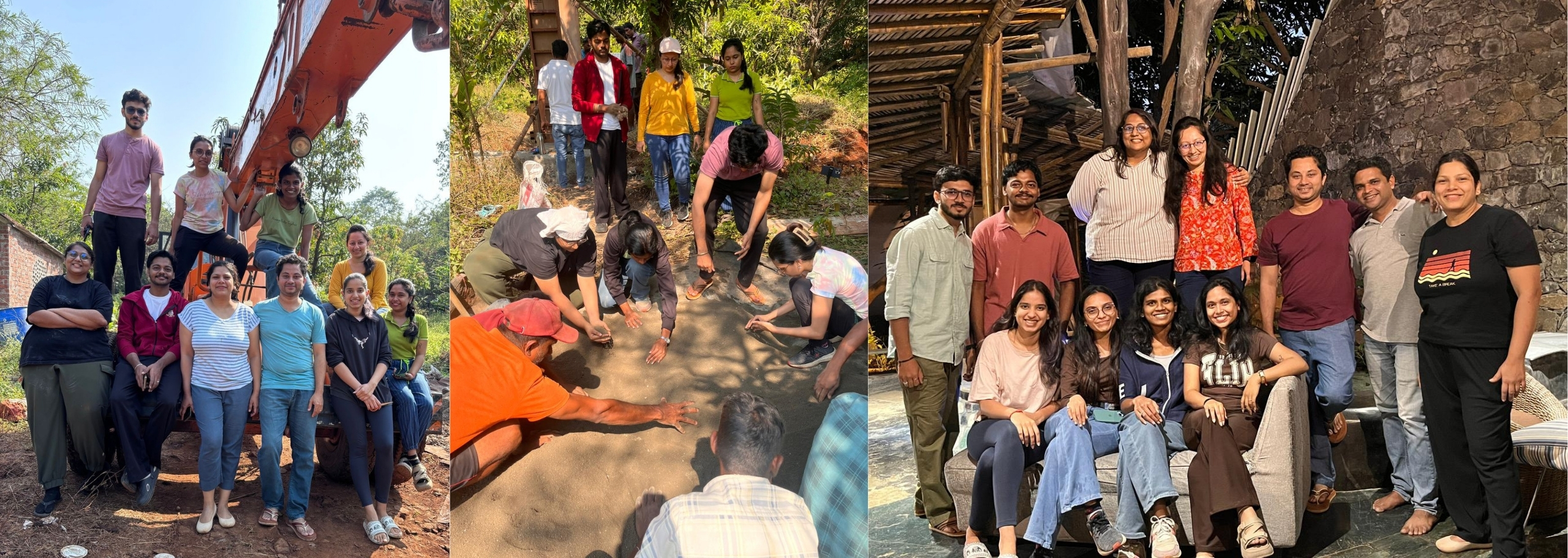
Under the Arcause Immersion Support initiative, Ethos | Arcause sponsored six architecture and design students to participate in an intensive, hands-on vault-building workshop hosted by Vanamu.
This initiative goes beyond traditional funding; it is designed to empower the next generation of designers by providing opportunities to be part of programs that offer sustainable, hands-on learning experience.
Guided by a master craftsperson, the students mastered the nuances of vault building and the demands of traditional construction. What gave this initiative a greater purpose is that they built this roof for a school – Samatva, directly experienced how thoughtful design can shelter and uplift a community.
The students came back inspired, sharing that the workshop was an enriching experience where they learned to build with sensitivity and intuition. One student described it as a truly fun and insightful experience, noting how much they enjoyed getting hands-on exposure to sustainable construction and learning things beyond the usual classroom. They found it exciting to work alongside new people, understand vault-building techniques, and be directly involved in the roof-making process.
Design with Nature Workshop:
Ar. Prashant Dupare
Ethos Foundation, under its Arcause initiatives, continues to empower young designers by providing exposure to sustainable, hands-on learning opportunities. As a part of this commitment, the Foundation sponsored three students to attend the Maativan Workshop, an immersive program focused on natural building, rammed earth, and traditional materiality.
The workshop offered participants critical insights into sustainable construction, bridging theoretical knowledge with real-world application. The experience strengthened their understanding of ecological design, material honesty, and low-energy building practices.
This initiative was facilitated under ‘Shrama’, and supports their broader commitment to shaping Future Professionals in responsible design.
Gallery